The Comprehensive Guide To Understanding HUD: History, Impact, And Future
HUD technology’s roots can be traced back to the mid-20th century, originally developed for military aviation to enhance pilot situational awareness. Over the years, this technology has trickled down into commercial aviation, automobiles, and even augmented reality applications. The adaptability of HUD systems has made them an indispensable tool for reducing cognitive load, thereby improving decision-making processes across various sectors. The influence of HUD extends beyond its immediate applications, serving as a catalyst for innovation in display technology. Companies are investing heavily in research and development to create more sophisticated and user-friendly HUD systems, aiming to integrate them into everyday life. The potential for HUD technology in the future is vast, with possibilities ranging from fully immersive virtual experiences to advanced driver assistance systems. This article delves into the intricacies of HUD technology, exploring its history, current applications, and future potential.
| HUD Overview | Details |
|---|---|
| Technology Type | Head-Up Display |
| First Developed | 1950s |
| Primary Use | Aviation, Automotive, Gaming |
| Key Benefits | Enhanced Safety, Improved Efficiency |
Table of Contents
- History of HUD Technology
- HUD in Aviation
- HUD in the Automotive Sector
- HUD in Gaming and Augmented Reality
- Advantages of HUD Systems
- Challenges and Limitations
- Future Prospects of HUD
- Innovations in HUD Technology
- Comparing HUD with Other Display Technologies
- Improving User Experience with HUD
- Safety Implications of HUD Systems
- Emerging Applications of HUD
- Economic Impact of HUD Technology
- Environmental Considerations
- Conclusion
History of HUD Technology
The evolution of HUD technology is a fascinating journey that began in the 1950s. Initially developed for military aviation, the primary objective of HUD was to enhance the situational awareness of pilots by displaying crucial information such as speed, altitude, and navigation data directly in their line of sight. This innovation allowed pilots to access necessary data without looking down at their instrument panels, thus reducing the risk of accidents and improving mission outcomes.
As the years progressed, HUD technology underwent significant advancements. In the 1970s and 1980s, commercial aviation began adopting HUD systems, recognizing their potential to improve safety and operational efficiency. The integration of HUD into commercial cockpits allowed pilots to maintain better control during takeoffs and landings, especially in poor visibility conditions.
- Bonnie Blue X
- The Turken Scandal Leaked Evidence Of A Dark Secret Thats Gone Viral
- Freeventi Leak The Shocking Video Everyone Is Talking About
By the late 20th century, the automotive industry began exploring the use of HUD technology in vehicles. Initially introduced in luxury cars, HUD systems provided drivers with essential information such as speed, navigation directions, and fuel levels without taking their eyes off the road. This integration marked a significant milestone in the democratization of HUD technology, making it accessible to a broader audience.
HUD in Aviation
In aviation, HUD technology has become an integral component of modern cockpit design. Its ability to present vital flight information directly in the pilot's line of sight has proven invaluable, particularly during critical phases of flight such as takeoff and landing. By reducing the need to constantly glance down at traditional instrument panels, HUD enhances pilot situational awareness and reduces workload.
Advanced HUD systems in aviation now incorporate features such as enhanced vision systems (EVS) and synthetic vision systems (SVS). These technologies use infrared cameras and computer-generated imagery, respectively, to provide pilots with a comprehensive view of their surroundings, even in adverse weather conditions. This capability not only improves safety but also enhances operational efficiency by reducing delays and diversions.
- Walken Walken
- James Broderick
- Shocking Leak Canelos Secret Plan To End Crawfords Career You Wont Believe This
Moreover, HUD technology in aviation has paved the way for the development of head-mounted displays (HMDs) and helmet-mounted displays, offering pilots an even more immersive experience. These systems provide additional tactical information, such as threat detection and targeting data, further enhancing the pilot's ability to make informed decisions during complex missions.
HUD in the Automotive Sector
The automotive industry has embraced HUD technology as a means of enhancing driver safety and convenience. Initially available only in high-end vehicles, HUD systems have gradually made their way into more affordable car models, driven by consumer demand for advanced safety features.
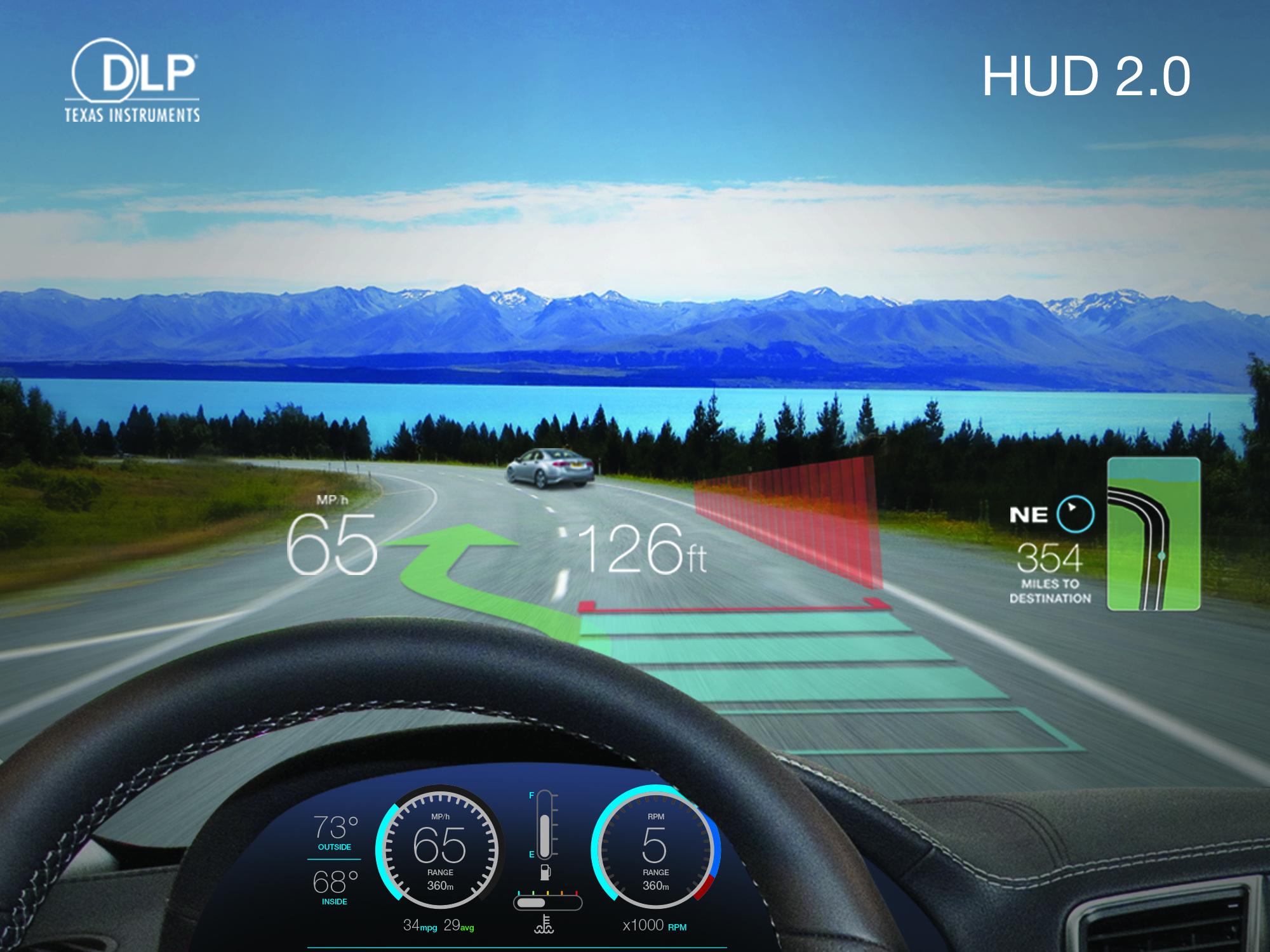
Modern automotive HUD systems display a range of information, including speed, navigation directions, and traffic alerts, directly in the driver's line of sight. This feature is particularly beneficial when navigating unfamiliar routes or congested urban areas, as it allows drivers to focus on the road while receiving real-time updates.
As the automotive industry moves towards autonomous vehicles, HUD technology is expected to play a crucial role in the transition. By providing passengers with information about the vehicle's status, route, and environment, HUD systems can help build trust in autonomous technology and improve the overall user experience.
HUD in Gaming and Augmented Reality
In the gaming industry, HUD technology has become a fundamental element of user interface design. By overlaying game-related information, such as health bars, maps, and objectives, directly onto the player's field of view, HUD systems enhance the gaming experience by providing seamless access to critical data.
The advent of augmented reality (AR) has further expanded the potential applications of HUD technology. AR HUDs offer users an interactive experience by blending digital content with the physical environment. This capability has opened up new possibilities in gaming, education, and even industrial training, where immersive simulations can be used to enhance learning outcomes and improve skill acquisition.
As AR technology continues to evolve, HUD systems are expected to become even more sophisticated, offering users a fully immersive experience that seamlessly integrates digital content with the real world.
Advantages of HUD Systems
HUD systems offer a myriad of advantages across various sectors, making them indispensable tools for enhancing safety, efficiency, and user experience. One of the primary benefits of HUD technology is its ability to reduce cognitive load by presenting critical information directly in the user's line of sight. This feature allows users to access essential data without diverting their attention from their primary tasks, thus improving situational awareness and decision-making.
In addition to enhancing safety, HUD systems also improve operational efficiency by reducing the time and effort required to access information. This capability is particularly valuable in fast-paced environments, such as aviation and automotive industries, where split-second decisions can have significant consequences.
Furthermore, HUD technology is highly adaptable, offering a wide range of applications in various fields, from gaming and entertainment to industrial training and medical diagnostics. Its versatility makes it a valuable tool for enhancing user experience and improving outcomes in diverse settings.
Challenges and Limitations
Despite its numerous advantages, HUD technology also faces several challenges and limitations that must be addressed to realize its full potential. One of the primary challenges is the cost of development and implementation, which can be prohibitively high, particularly for smaller companies and organizations with limited budgets.
Another significant challenge is the potential for information overload, where users may become overwhelmed by the sheer volume of data presented by HUD systems. This issue can be mitigated through careful design and user interface optimization, ensuring that only the most relevant information is displayed at any given time.
Technical limitations, such as display resolution and latency, can also impact the effectiveness of HUD systems. As technology continues to advance, these issues are expected to be addressed, paving the way for more sophisticated and reliable HUD solutions.
Future Prospects of HUD
The future prospects of HUD technology are promising, with advancements in display technology, augmented reality, and artificial intelligence driving innovation and expansion. As these technologies continue to evolve, HUD systems are expected to become more sophisticated, offering users an even more immersive and seamless experience.
In the automotive sector, HUD technology is poised to play a critical role in the development of autonomous vehicles, providing passengers with real-time information about their journey and enhancing trust in self-driving technology. Similarly, in aviation, advancements in HUD systems are expected to improve safety and operational efficiency, particularly in adverse weather conditions.
Moreover, the integration of HUD technology with augmented reality is set to revolutionize various industries, offering new possibilities in fields such as education, healthcare, and entertainment. As these applications continue to expand, HUD technology is expected to become an integral part of everyday life, offering users a seamless blend of digital and physical worlds.
Innovations in HUD Technology
Recent innovations in HUD technology have focused on enhancing display quality, reducing latency, and improving user interface design. These advancements have paved the way for more sophisticated HUD systems that offer a seamless blend of digital and physical environments.
One notable innovation is the development of holographic displays, which offer a more immersive and interactive experience by projecting three-dimensional images directly into the user's field of view. This capability has significant implications for fields such as gaming and entertainment, where immersive experiences are highly valued.
Another area of innovation is the integration of artificial intelligence and machine learning algorithms into HUD systems. These technologies enable HUD systems to analyze and interpret data in real-time, offering users personalized and contextually relevant information.
Comparing HUD with Other Display Technologies
HUD technology is often compared with other display technologies, such as traditional instrument panels, head-mounted displays, and virtual reality headsets. Each of these technologies offers unique advantages and limitations, making them suitable for different applications and environments.
Traditional instrument panels, for example, are widely used in aviation and automotive industries, offering a reliable and familiar interface for displaying critical information. However, they require users to divert their attention from their primary tasks, potentially compromising situational awareness.
Head-mounted displays and virtual reality headsets, on the other hand, offer immersive experiences by completely enveloping the user's field of view. While these technologies provide a high level of interactivity, they can be cumbersome and impractical for use in fast-paced environments where quick access to information is essential.
In contrast, HUD technology offers a unique blend of convenience and immersion, allowing users to access critical information without diverting their attention from their primary tasks. This capability makes HUD systems particularly valuable in fields such as aviation, automotive, and gaming, where situational awareness and quick decision-making are paramount.
Improving User Experience with HUD
Enhancing user experience is a key focus in the development of HUD technology. By prioritizing user interface design and optimizing information presentation, developers aim to create HUD systems that are intuitive, efficient, and user-friendly.
One approach to improving user experience is through personalized and contextually relevant information. By leveraging data analytics and machine learning algorithms, HUD systems can tailor the information displayed to each user's specific needs and preferences, ensuring that only the most relevant data is presented.
Additionally, advancements in display technology, such as higher resolution and improved contrast, contribute to a more visually appealing and immersive experience. These enhancements not only improve user satisfaction but also reduce the risk of information overload, ensuring that users can access critical data quickly and efficiently.
Safety Implications of HUD Systems
Safety is a primary concern in the development and implementation of HUD technology. By presenting critical information directly in the user's line of sight, HUD systems aim to enhance situational awareness and reduce the risk of accidents and errors.
In aviation, for example, HUD systems have been shown to improve pilot performance during critical phases of flight, such as takeoff and landing. By providing real-time data and visual cues, HUD systems help pilots maintain better control and make informed decisions even in challenging conditions.
Similarly, in the automotive industry, HUD systems enhance driver safety by reducing the need to glance down at traditional instrument panels. This capability is particularly valuable in high-traffic or unfamiliar areas, where maintaining focus on the road is crucial.
As HUD technology continues to evolve, safety will remain a top priority, with ongoing research and development focused on minimizing potential risks and maximizing the benefits of HUD systems across various sectors.
Emerging Applications of HUD
The versatility of HUD technology has led to its adoption in a wide range of emerging applications, from industrial training and medical diagnostics to interactive entertainment and augmented reality experiences.
In industrial settings, HUD systems are used to provide workers with real-time data and instructions, improving efficiency and reducing the risk of errors. By overlaying information directly onto the user's field of view, HUD systems help workers perform complex tasks with greater accuracy and confidence.
In the medical field, HUD technology is being explored for use in diagnostics and surgical procedures, offering healthcare professionals a hands-free means of accessing critical information. This capability has the potential to improve patient outcomes and streamline workflows in busy clinical environments.
As technology continues to advance, the potential applications of HUD systems are expected to expand further, offering new opportunities for innovation and growth across various industries.
Economic Impact of HUD Technology
The economic impact of HUD technology is significant, with its adoption and integration driving growth and innovation across multiple sectors. As companies invest in research and development to create more advanced HUD systems, new job opportunities and revenue streams are generated, contributing to economic development.
In the automotive industry, for example, the integration of HUD technology has led to increased demand for skilled engineers and technicians, driving job creation and economic growth. Similarly, in the gaming and entertainment sectors, the development of immersive HUD experiences has opened up new markets and revenue opportunities.
Moreover, the widespread adoption of HUD technology has the potential to improve efficiency and productivity across various industries, leading to cost savings and increased profitability. By enhancing safety and reducing errors, HUD systems contribute to a more streamlined and effective workflow, ultimately benefiting the economy as a whole.
Environmental Considerations
While the economic benefits of HUD technology are clear, it is also important to consider its environmental impact. The production and disposal of electronic components used in HUD systems can have a significant environmental footprint, contributing to e-waste and resource depletion.
To address these concerns, companies are increasingly focusing on sustainable practices and materials in the development of HUD technology. This includes using eco-friendly materials, reducing energy consumption, and implementing recycling programs to minimize waste and environmental impact.
As awareness of environmental issues continues to grow, it is likely that sustainable practices will become an integral part of the HUD industry, ensuring that the benefits of this technology can be realized without compromising the health of our planet.
Conclusion
In conclusion, HUD technology has come a long way since its inception in the mid-20th century. Its ability to enhance situational awareness and improve decision-making has made it an invaluable tool across various sectors, from aviation and automotive industries to gaming and augmented reality applications.
As technology continues to advance, the potential applications of HUD systems are expected to expand further, offering new opportunities for innovation and growth. However, it is important to address the challenges and limitations associated with HUD technology, ensuring its safe and effective integration into everyday life.
By prioritizing user experience, safety, and sustainability, the future of HUD technology is bright, promising a world where seamless information integration becomes the norm, enhancing our interactions with both the digital and physical worlds.
Frequently Asked Questions
What is HUD technology used for?
HUD technology is primarily used to present critical information directly in the user's line of sight, enhancing situational awareness and reducing cognitive load. It is commonly used in aviation, automotive, gaming, and augmented reality applications.
How does HUD technology improve safety?
HUD technology improves safety by allowing users to access essential data without diverting their attention from their primary tasks. This capability reduces the risk of accidents and errors, particularly in fast-paced environments such as aviation and automotive industries.
What are the challenges associated with HUD technology?
Challenges associated with HUD technology include the cost of development and implementation, potential information overload, and technical limitations such as display resolution and latency. Addressing these challenges is crucial for realizing the full potential of HUD systems.
What are some emerging applications of HUD technology?
Emerging applications of HUD technology include industrial training, medical diagnostics, interactive entertainment, and augmented reality experiences. These applications offer new opportunities for innovation and growth across various industries.
How does HUD technology impact the economy?
HUD technology drives economic growth by creating new job opportunities and revenue streams across multiple sectors. Its adoption and integration improve efficiency and productivity, leading to cost savings and increased profitability.
What are the environmental considerations associated with HUD technology?
The production and disposal of electronic components used in HUD systems can have a significant environmental footprint. Companies are increasingly focusing on sustainable practices and materials to minimize waste and environmental impact, ensuring that the benefits of HUD technology can be realized without compromising the health of our planet.
For more information, you can visit the NASA HUD Research Page for insights into HUD applications in aviation.