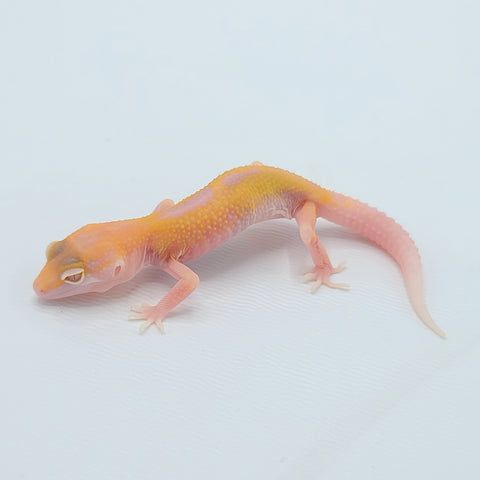
Looking After Leopard Geckos: The Complete Care Guide For Beginners
Are you considering bringing a leopard gecko into your home, or perhaps you've already welcomed one of these charming reptiles into your life? These captivating creatures make wonderful pets, but like any animal, they have specific needs that must be met to ensure they thrive. Whether you're a complete beginner or looking to refine your care routine, this comprehensive guide will walk you through everything you need to know about looking after leopard geckos.
Understanding Your Leopard Gecko's Basic Needs
Leopard geckos are fascinating reptiles that have become increasingly popular as pets due to their gentle nature and relatively simple care requirements. These nocturnal creatures originate from the arid regions of Afghanistan, Pakistan, India, and Iran, where they've adapted to survive in harsh desert environments.
When considering leopard gecko care, it's essential to understand that these animals are crepuscular, meaning they're most active during twilight hours (dawn and dusk). This behavior pattern influences many aspects of their care, from feeding schedules to habitat setup.
Creating the Perfect Habitat
The foundation of proper leopard gecko care begins with their habitat. A well-designed enclosure provides your gecko with security, appropriate temperatures, and enrichment opportunities.
Tank Size and Setup
For a single adult leopard gecko, a 20-gallon long tank is the minimum recommended size. The enclosure should be longer than it is tall, as leopard geckos are terrestrial and spend most of their time on the ground. The substrate you choose is crucial – options include reptile carpet, paper towels, or tile. Avoid loose substrates like sand, especially for younger geckos, as these can cause impaction if ingested.
Temperature and Heating Requirements
Leopard geckos need warmth to stay healthy, as they're ectothermic animals that rely on external heat sources to regulate their body temperature. The enclosure should have a temperature gradient with a warm side maintained at 88-92°F (31-33°C) and a cool side around 75-80°F (24-27°C). At night, temperatures can drop to 70-75°F (21-24°C).
Use an under-tank heater or ceramic heat emitter to create the warm side, and always monitor temperatures with reliable thermometers on both sides of the enclosure. If your gecko gets too cold, you might notice decreased activity, loss of appetite, or even respiratory issues. Never use heat rocks, as these can cause severe burns.
Lighting and Humidity
Unlike some reptiles, leopard geckos don't require UVB lighting, though many keepers provide it for potential health benefits. They do need a regular day/night cycle, which can be achieved with simple lighting on a timer.
Humidity levels should be maintained between 20-40%, which mimics their natural desert habitat. A humid hide filled with damp moss or paper towels is essential for proper shedding and should be placed on the warm side of the enclosure.
Proper Nutrition and Feeding
Feeding your leopard gecko a balanced diet is crucial for their health and longevity. These insectivores require a variety of appropriately sized prey items to meet their nutritional needs.
What to Feed Your Leopard Gecko
The staple diet for leopard geckos consists primarily of live insects. Crickets are the most common food source, but you can also offer mealworms, waxworms (as occasional treats), dubia roaches, and silkworms. Young geckos (under one year) should be fed daily, while adults can be fed every other day or every three days, depending on their appetite and body condition.
A good rule of thumb is to offer 8-10 appropriately sized insects per feeding session. The insects should be no larger than the space between your gecko's eyes. Always gut-load your feeder insects (feed them nutritious foods 24-48 hours before offering them to your gecko) and dust them with calcium and vitamin D3 supplements.
Water Requirements
To care for your leopard gecko, start by filling its water dish every day with clean bottled water and keeping it on the cooler side of its tank. The water dish should be shallow enough that your gecko can't accidentally drown but large enough for them to drink comfortably. Change the water daily and clean the dish weekly to prevent bacterial growth.
Understanding Skin Shedding
Like all reptiles, leopard geckos shed their skin as they grow. This process, called ecdysis, is a natural and necessary part of their development.
The Shedding Process
Young leopard geckos shed more frequently (every 1-2 weeks) than adults (every 4-8 weeks). Before shedding, you might notice your gecko's colors becoming dull and their eyes appearing cloudy or blue. During this time, they may eat less and become more reclusive.
The actual shedding process usually takes 24-48 hours. Your gecko will rub against surfaces to help remove the old skin, which they often eat as it comes off. This behavior provides them with additional nutrients and is completely normal.
Helping With Difficult Sheds
Sometimes geckos have trouble shedding completely, especially around their toes and tail tip. This is where your humid hide becomes crucial. If you notice retained shed, you can help by creating a "sauna" – place your gecko in a small container with warm, damp paper towels for 15-20 minutes to help loosen the stuck shed.
Handling and Bonding With Your Gecko
One of the most rewarding aspects of leopard gecko ownership is developing a bond with your pet. These gentle creatures are known for their calm temperament and ease of handling.
When to Start Handling
For new geckos, give them 1-2 weeks to settle into their new environment before attempting to handle them. Start with short, gentle handling sessions of 5-10 minutes, gradually increasing the duration as your gecko becomes more comfortable.
Always approach your gecko slowly and support their entire body when handling. Never grab them by the tail, as leopard geckos can drop their tails as a defense mechanism – while the tail will regenerate, it won't look the same as the original.
Building Trust
Regular, gentle handling helps your gecko become accustomed to human interaction. Offer treats from your hand, speak softly to them, and maintain a consistent routine. Most leopard geckos become quite tame and may even walk onto your hand voluntarily once they trust you.
Health and Wellness
Keeping your leopard gecko healthy requires attention to their environment, diet, and behavior patterns.
Common Health Issues
Some common health concerns in leopard geckos include metabolic bone disease (from calcium deficiency), impaction (from ingesting substrate or inappropriate food items), parasites, and respiratory infections. Regular observation of your gecko's behavior, appetite, and physical appearance can help you catch potential issues early.
Signs of a healthy leopard gecko include clear, bright eyes, a plump tail (which stores fat reserves), regular eating habits, and active behavior during their active hours. If you notice changes in these patterns, consult with a veterinarian experienced in reptile care.
Regular Health Checks
Perform weekly health checks by gently examining your gecko for any abnormalities. Look for retained shed on toes or tail tip, check that the vent area is clean, and observe their movement for any signs of limping or difficulty. Keep records of their weight and feeding habits to track their overall health.
Advanced Care Considerations
As you become more experienced with leopard gecko care, you might want to explore more advanced aspects of husbandry.
Breeding Considerations
Breeding leopard geckos requires extensive knowledge and preparation. If you're considering breeding, research the genetic implications, proper pairing, and the commitment required for incubating eggs and raising hatchlings. Breeding should only be undertaken by experienced keepers who understand the responsibilities involved.
Multiple Geckos
While leopard geckos can be kept in pairs or small groups, males should never be housed together as they will fight. Females may coexist peacefully if given adequate space and resources, but always monitor for signs of aggression or stress. Quarantine any new geckos for 30-60 days before introducing them to existing pets.
Choosing the Right Supplies
Selecting appropriate supplies is crucial for your gecko's wellbeing. When choosing a water dish, select one that's shallow, sturdy, and easy to clean. The right water dish should be large enough for your gecko to drink from comfortably but not so deep that they could potentially fall in and struggle to get out.
For substrate, beginners should stick with simple options like reptile carpet or paper towels. As you gain experience, you might explore bioactive setups, but these require more advanced knowledge of maintaining living ecosystems.
Common Mistakes to Avoid
Many new leopard gecko owners make similar mistakes that can impact their pet's health. Some common errors include:
- Using sand or other loose substrates that can cause impaction
- Not providing adequate temperature gradients
- Overfeeding or offering inappropriate food items
- Neglecting humidity requirements for proper shedding
- Handling too frequently or too roughly, especially with new geckos
The Rewards of Leopard Gecko Ownership
Leopard geckos make excellent pets for beginners and experienced reptile enthusiasts alike. They're relatively low-maintenance compared to many other reptiles, have gentle personalities, and can live 15-20 years with proper care – making them a significant but rewarding commitment.
These fascinating creatures offer endless opportunities to learn about reptile behavior, biology, and husbandry. Many owners find themselves captivated by their gecko's unique personalities and the satisfaction of providing excellent care.
Conclusion
Caring for a leopard gecko is a fulfilling experience that combines responsibility with the joy of observing these remarkable creatures. By providing the right habitat, nutrition, and attention to their specific needs, you can ensure your leopard gecko lives a long, healthy, and happy life.
Remember that proper research and preparation are essential before bringing any pet home. The information in this guide provides a solid foundation, but continuing to learn and staying updated on best practices will make you an even better gecko keeper. With patience, attention to detail, and genuine care, your leopard gecko can become a beloved companion for many years to come.