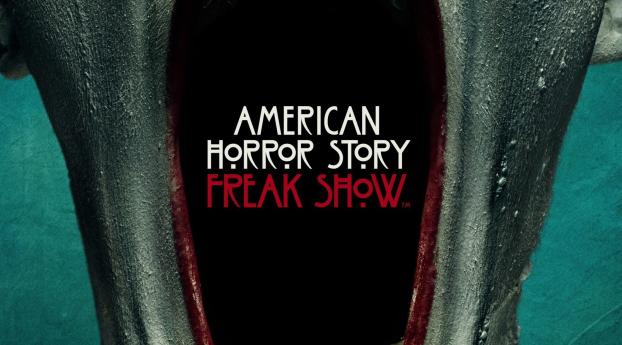
American Horror Story: Freak Show - A Journey Through Jupiter's Dark Carnival
What happens when society's outcasts become the only family you have, and that family is under threat from both human cruelty and supernatural evil? This is the haunting question at the heart of American Horror Story: Freak Show, the fourth installment of Ryan Murphy and Brad Falchuk's groundbreaking horror anthology series.
Set against the backdrop of 1952 Jupiter, Florida, Freak Show tells a story that is both deeply personal and universally resonant - a tale of survival, acceptance, and the desperate fight to preserve a dying way of life. As one of the last remaining freak shows in America, the troupe of human curiosities at the center of this narrative faces threats from all sides, making for a season that is as much about human monsters as it is about supernatural ones.
The Setting: Jupiter, Florida in 1952
The year is 1952, and the quiet, sleepy hamlet of Jupiter, Florida, becomes the unlikely stage for a story of terror and survival. This small town, with its post-war innocence and underlying tensions, provides the perfect backdrop for the arrival of Elsa Mars's traveling freak show. The setting is crucial to understanding the season's themes - it represents a world on the cusp of change, where the old ways of the carnival are dying, and the future is uncertain for those who don't fit into society's narrow definition of "normal."
Jupiter itself becomes a character in the story, its humid air and Spanish moss-draped trees creating an atmosphere of Southern Gothic horror that permeates every scene. The choice of 1952 is particularly significant, as it places the narrative in the early years of the Cold War, a time of paranoia and suspicion that mirrors the fear and misunderstanding faced by the freak show performers.
The Characters: A Troupe of Human Curiosities
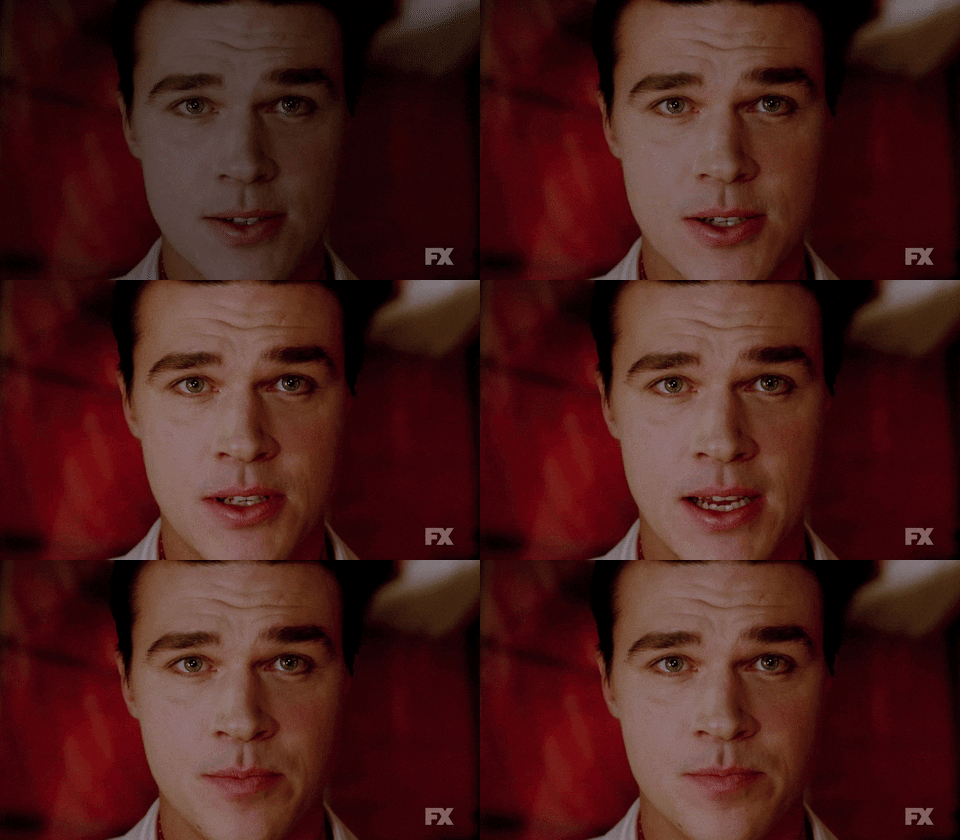
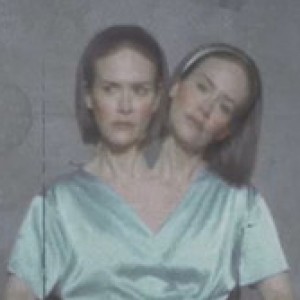
The ensemble cast of Freak Show is one of its greatest strengths, bringing together a mix of returning American Horror Story veterans and new faces to create a truly memorable collection of characters. Sarah Paulson takes on the challenging dual role of Bette and Dot Tattler, conjoined twins whose complex relationship forms the emotional core of the season. Evan Peters returns as Jimmy Darling, the Lobster Boy, whose charm and charisma hide a deep-seated anger at the world that rejects him.
Michael Chiklis joins the cast as Wendell "Dell" Toledo, a strongman with a troubled past, while Frances Conroy, Denis O'Hare, Emma Roberts, and Finn Wittrock round out the main cast. Each character brings their own unique abilities and traumas to the story, creating a rich tapestry of human experience that goes far beyond their physical differences.
- Pineapplebrat Nudes
- Peitners Shocking Leak What Theyre Hiding From You
- The Untold Story Of Mai Yoneyamas Sex Scandal Leaked Evidence Surfaces
Jessica Lange's Elsa Mars stands at the center of it all, a German expatriate with dreams of stardom who serves as both protector and exploiter of her "monsters." Lange's performance is a tour de force, capturing the character's ambition, vulnerability, and moral ambiguity in equal measure.
The Plot: Survival Amidst Supernatural Terror
At its core, Freak Show is a story of survival - not just against the supernatural entity that emerges to threaten the troupe, but against the broader societal forces that seek to eliminate them. The season's tagline, "Wir Sind Alle Freaks" (We Are All Freaks), encapsulates this theme perfectly, suggesting that beneath our differences, we all share a fundamental humanity.
The plot kicks into high gear with the arrival of the freak show in Jupiter, coinciding with the emergence of a dark entity that savagely threatens both townsfolk and performers alike. This entity, revealed to be Twisty the Clown (played with terrifying intensity by John Carroll Lynch), becomes the season's primary antagonist, his murderous rampage forcing the various factions in Jupiter to confront their deepest fears and prejudices.
However, Freak Show is careful to show that the real monsters are often human. From the sadistic Dandy Mott (Finn Wittrock) to the corrupt local authorities, the season presents a world where cruelty and exploitation are as much a part of the horror as any supernatural threat. This duality is perhaps best exemplified in the character of Dell Toledo, whose violent tendencies and internal struggles make him both protector and potential threat to the troupe.
The Themes: Acceptance, Exploitation, and the American Dream
Freak Show explores several interconnected themes that give the season its emotional depth and resonance. At the forefront is the theme of acceptance - both self-acceptance and societal acceptance. The performers in Elsa's troupe have found a home with each other, but they still face rejection and violence from the outside world. This struggle for acceptance mirrors broader social issues of the time, including the civil rights movement and the growing awareness of the exploitation inherent in the carnival freak show tradition.
The season also grapples with the concept of exploitation, both in the literal sense of the freak show as a form of entertainment and in the more metaphorical sense of how society exploits those it deems different or lesser. Elsa Mars herself embodies this duality - she genuinely cares for her performers but also profits from their exploitation, creating a complex moral landscape that the show navigates with nuance.
The American Dream, that quintessential piece of American mythology, is another key theme in Freak Show. For characters like Elsa Mars and Dandy Mott, the dream becomes a nightmare of ambition and entitlement. The season questions what the American Dream means for those who exist on the fringes of society, suggesting that for some, the dream is not just unattainable but actively harmful.
Production and Reception
Created by Ryan Murphy and Brad Falchuk, Freak Show represents the culmination of their efforts to redefine the horror genre through the American Horror Story anthology format. Since its inception in 2011, the series has explored various facets of horror, from the haunted asylum of Asylum to the witchy coven of Coven, and Freak Show continues this tradition by delving into the psychological and supernatural elements of the carnival freak show tradition.
The season features returning American Horror Story stars such as Sarah Paulson, Evan Peters, Angela Bassett, Kathy Bates, and Jessica Lange, alongside new additions to the cast. This blend of familiar faces and new talent creates a dynamic that keeps the series fresh while maintaining its core identity.
Critically, Freak Show received mixed reviews, with praise for its performances (particularly those of Jessica Lange and Sarah Paulson) and its visual style, but criticism for its pacing and narrative coherence. However, the season's exploration of its themes and its commitment to creating a unique visual aesthetic have ensured its place as a memorable entry in the American Horror Story canon.
Where to Watch and Cultural Impact
For those looking to experience Freak Show for themselves, the season is available on various streaming platforms, often as part of a bundle with other American Horror Story seasons. The show's popularity has led to a thriving fan community, with discussions and analyses of each season's themes and characters continuing long after their initial release.
The cultural impact of Freak Show extends beyond its immediate audience. The season's exploration of disability, difference, and exploitation has sparked discussions about representation in media and the ethics of using real-life conditions as the basis for horror entertainment. While the show has been praised for giving visibility to often-marginalized groups, it has also faced criticism for potentially reinforcing negative stereotypes.
Conclusion
American Horror Story: Freak Show stands as a complex and ambitious entry in the American Horror Story series, using the setting of a dying freak show to explore themes of acceptance, exploitation, and the dark side of the American Dream. Through its memorable characters, haunting visuals, and nuanced storytelling, the season creates a world that is both fantastical and deeply human.
Whether you're drawn to the supernatural horror elements, the rich character development, or the social commentary, Freak Show offers a viewing experience that lingers long after the final credits roll. It challenges us to look beyond appearances, to question our assumptions about normalcy and monstrosity, and to consider the true meaning of family and belonging in a world that often seems determined to reject those who are different.
In the end, Freak Show reminds us that we are all, in our own ways, freaks - and that perhaps it's our differences, not our similarities, that make us truly human.