How To Install A Dimmer Switch: A Complete Guide For DIY Homeowners
Have you ever walked into a room and wished you could adjust the lighting to match your mood or activity? Whether you're looking to create a cozy atmosphere for movie night or need bright task lighting for reading, a dimmer switch can transform your living space. Installing a dimmer switch is one of the most rewarding DIY electrical projects you can tackle, and it's much easier than most people realize.
Dimmer switches have evolved significantly over the years, from simple rotary controls to sophisticated smart devices that can be operated from your smartphone. They offer more than just ambiance control—they can help save on electricity costs, extend the life of your light bulbs, and even improve your home's energy efficiency. In this comprehensive guide, we'll walk you through everything you need to know about how to install a dimmer switch, from selecting the right type to completing the installation safely and correctly.
Understanding Dimmer Switch Basics
What is a Dimmer Switch and How Does It Work?
A dimmer switch is a device that allows you to adjust the brightness of your lights by varying the electrical voltage delivered to the light fixture. Instead of simply turning lights on or off, a dimmer switch provides a range of lighting levels, letting you create the perfect ambiance for any occasion. The technology works by rapidly switching the current on and off, which our eyes perceive as a reduction in brightness.
Dimmer switches are compatible with different types of lighting, including incandescent, halogen, and LED lights. However, it's crucial to select a dimmer that's specifically designed for your light type. LED dimmers, for instance, operate differently than traditional incandescent dimmers and require special compatibility to function properly without flickering or buzzing.
Benefits of Installing a Dimmer Switch
Installing a dimmer switch offers numerous advantages beyond just aesthetic appeal. First, dimmers can significantly reduce your energy consumption. By lowering the light intensity, you're using less electricity, which translates to lower utility bills. Studies show that dimming your lights by just 25% can save up to 20% in energy costs, while dimming by 50% can cut energy usage by as much as 40%.
Second, dimmer switches extend the life of your light bulbs. When you dim lights, you reduce the stress on the bulb's filament or LED components, potentially increasing bulb life by up to 20 times. This means fewer bulb replacements and less waste, making dimmers an environmentally friendly choice.
- Leaked Porn Found In Peach Jars This Discovery Will Blow Your Mind
- Stuart Mad Tv Leak Secret Video Reveals His Darkest Secret
- Driving Beyond Horizon
Finally, dimmers provide unparalleled control over your home's ambiance. Whether you're hosting a dinner party, watching a movie, or just winding down for the evening, the ability to adjust lighting levels can dramatically enhance your living experience.
Types of Dimmer Switches
Standard Dimmer Switches
Standard dimmer switches are the most common type and work similarly to traditional light switches but with a sliding mechanism or rotating knob to control brightness. These are ideal for basic lighting control and are typically the most affordable option. They're perfect for living rooms, bedrooms, and dining areas where adjustable lighting can enhance the atmosphere.
Smart Dimmer Switches
Smart dimmer switches represent the cutting edge of lighting control technology. These devices work like traditional wireless light switches but offer advanced capabilities to dim or brighten your lights for various occasions. With smart dimmers, you can control your lights remotely using a smartphone app, set schedules, create lighting scenes, and even integrate with voice assistants like Amazon Alexa or Google Assistant.
Smart dimmers are particularly useful for modern smart homes, allowing you to create automated lighting routines that can enhance security, convenience, and energy efficiency. For example, you can program your lights to gradually brighten in the morning as a gentle wake-up alarm or have them automatically dim at sunset.
Specialized Dimmer Solutions
For more complex lighting installations, specialized solutions like the Switchex® +R1 driver and dimmer switch combine an LED driver and dimmer switch into one sleek device. This revolutionary solution simplifies your lighting installation and provides precise dimming for LED fixtures. It's particularly useful for new construction or major renovations where integrated solutions can save time and reduce complexity.
Another specialized option is the humidity sensor dimmer switch from Lutron, which automatically and accurately turns exhaust fans on and off based on moisture levels. This is an excellent addition to bathrooms and other high-humidity areas, helping to reduce mold and mildew while keeping spaces feeling fresher.
Preparing for Installation
Safety First: Essential Precautions
Before you begin any electrical project, safety must be your top priority. Installing a dimmer switch is one of the easiest DIY electrical projects you can do, but it still involves working with household electricity, which can be dangerous if not handled properly. Always turn off the power at the circuit breaker before starting any electrical work, and use a voltage tester to confirm that the power is indeed off.
Wear rubber-soled shoes and use insulated tools to minimize the risk of electrical shock. If you're at all uncomfortable working with electricity, don't hesitate to call a licensed electrician. The cost of professional installation is minimal compared to the potential risks of improper wiring.
Tools and Materials You'll Need
For a standard dimmer switch installation, you'll need a few basic tools: a flathead and Phillips screwdriver, wire strippers, needle-nose pliers, a voltage tester, and possibly a drill if you need to make adjustments to the electrical box. You'll also need wire nuts for connecting wires and possibly electrical tape for added safety.
When purchasing your dimmer switch, make sure it's compatible with your light bulbs and fixtures. Check the packaging for information about wattage capacity and bulb compatibility. If you're replacing an existing switch, you'll need to know whether you have a single-pole switch (controlling one light from one location) or a three-way switch (controlling one light from multiple locations).
Step-by-Step Installation Guide
Step 1: Turn Off Power and Remove the Old Switch
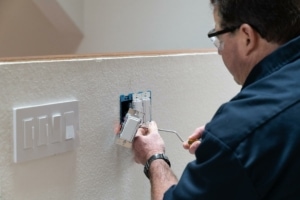
Begin by turning off the power to the switch at your circuit breaker. Once the power is off, remove the switch plate cover and use your voltage tester to confirm there's no electricity flowing to the wires. Then, remove the mounting screws holding the old switch in place and carefully pull it out of the electrical box.
Take a photo of the existing wiring configuration before disconnecting anything. This will serve as a helpful reference when installing the new dimmer switch. Carefully note which wires are connected to which terminals, as this information will be crucial for proper installation.
Step 2: Identify and Prepare the Wires
Most dimmer switches require a ground wire (green or bare), a hot wire (usually black), and sometimes a neutral wire (white). However, some older homes may not have a neutral wire in the switch box, which can limit your dimmer switch options. If you're unsure about your wiring configuration, consult a professional or choose a dimmer specifically designed for homes without neutral wires.
Use your wire strippers to remove about 3/4 inch of insulation from the ends of the wires if needed. Inspect the wires for any signs of damage or wear, and replace them if necessary. Clean wires ensure better connections and reduce the risk of electrical problems.
Step 3: Connect the New Dimmer Switch
Connect the wires to your new dimmer switch according to the manufacturer's instructions. Typically, this involves connecting the ground wire to the green grounding screw, connecting the hot wire to the black wire on the dimmer, and connecting any additional wires as specified. Use wire nuts to secure all connections, and wrap them with electrical tape for added safety.
If your new dimmer switch doesn't fit into the electrical box—perhaps it's at least an inch away from fitting—you have several options. You might need to replace the electrical box with a deeper one, use an extender ring to increase the box depth, or carefully bend the wires to create more space. Never force a switch into a box that's too small, as this can damage the wiring and create safety hazards.
Step 4: Mount and Test the Switch
Carefully tuck the wires back into the electrical box, being careful not to loosen any connections. Mount the dimmer switch to the box using the provided screws, then attach the switch plate cover. Turn the power back on at the circuit breaker and test your new dimmer switch. If it doesn't work properly, turn the power off again and double-check your wiring connections.
Troubleshooting Common Issues
Dimmer Switch Doesn't Fit in the Box
One common problem DIY installers encounter is that the new dimmer switch doesn't fit into the electrical box. This can happen because modern dimmer switches are often larger than traditional switches, or because the existing box is too shallow. If you're facing this issue, you have several options: replace the electrical box with a deeper one, use an extender ring to increase the box depth, or carefully rearrange the wires to create more space.
In some cases, you might need to use a combination of these solutions. For instance, you could use an extender ring along with careful wire management to make everything fit properly. The key is to ensure that all connections are secure and that there's no strain on the wires.
Compatibility Issues with LED Lights
Another common issue is compatibility problems between dimmer switches and LED lights. Not all LED bulbs are dimmable, and even dimmable LEDs may not work properly with all dimmer switches. If you experience flickering, buzzing, or limited dimming range, you may need to upgrade to a dimmer specifically designed for LED lighting or replace your LED bulbs with ones that are compatible with your existing dimmer.
When shopping for LED bulbs, look for packaging that specifically states the bulbs are dimmable and lists compatible dimmer types. Some manufacturers provide compatibility charts that show which dimmers work best with their bulbs.
Wiring Problems and Solutions
If your dimmer switch isn't working correctly, the most likely culprit is incorrect wiring. Double-check that all connections are secure and that wires are connected to the correct terminals. If you're unsure about your wiring, consult the manufacturer's instructions or seek help from a qualified electrician.
Sometimes, the issue might be related to the switch type. For example, if you're replacing a three-way switch with a dimmer, you'll need a three-way dimmer switch and may need to modify the wiring configuration. Always verify that you're using the correct type of switch for your application.
Advanced Dimmer Switch Options
Smart Dimmer Technology
Smart dimmer switches represent the next generation of lighting control, offering features that go far beyond simple dimming. These devices can be controlled remotely via smartphone apps, integrated with voice assistants, and programmed to respond to schedules or environmental conditions. Smart dimmers can also provide energy usage data, helping you track and reduce your electricity consumption.
Installation of smart dimmers is similar to standard dimmers, but they often require a neutral wire connection and may need to be configured through a mobile app after installation. Some smart dimmers also require a hub or bridge device to connect to your home network.
Multi-Location Dimmer Control
For rooms with multiple entry points, multi-location dimmer control allows you to adjust lighting from several switches. This typically involves installing a master dimmer switch and one or more companion switches. The wiring for these systems is more complex than single-pole installations, so be sure to follow the manufacturer's instructions carefully or consult a professional if you're unsure.
Specialized Applications
Beyond standard room lighting, dimmer switches have specialized applications that can enhance your home's functionality and comfort. In home theaters, dimmers can create the perfect viewing environment. In kitchens, they can provide task lighting that transitions to ambient lighting for dining. In bedrooms, dimmers can create relaxing environments for winding down at night.
Maintenance and Best Practices
Regular Maintenance Tips
Once your dimmer switch is installed, it requires minimal maintenance. However, it's a good idea to periodically check that all connections remain secure and that the switch operates smoothly. If you notice any unusual behavior, such as flickering lights or a switch that feels hot to the touch, investigate the issue promptly.
Clean your dimmer switches regularly with a slightly damp cloth, but never spray cleaning solutions directly onto the switch. Avoid using abrasive cleaners that could damage the switch's finish or interfere with its operation.
Extending the Life of Your Dimmer System
To get the most from your dimmer switch investment, use quality light bulbs that are specifically rated for dimming. Avoid exceeding the dimmer's wattage rating, as this can cause overheating and premature failure. If you're using LED bulbs, make sure they're compatible with your dimmer switch to prevent issues like flickering or limited dimming range.
Consider using dimmer switches in conjunction with other energy-saving strategies, such as natural lighting and occupancy sensors, to maximize your energy savings and create a more efficient home lighting system.
Conclusion
Installing a dimmer switch is a simple, straightforward task that can dramatically improve your home's lighting control and ambiance. Whether you're looking to create the perfect mood for entertaining, save on energy costs, or extend the life of your light bulbs, a dimmer switch is an excellent investment that pays dividends in comfort and convenience.
The process of installing a dimmer switch is much easier than most people realize, requiring only basic tools and a few minutes of your time. By following the steps outlined in this guide and taking appropriate safety precautions, you can successfully complete this DIY project and enjoy the benefits of adjustable lighting in your home.
Remember that while dimmer switches are generally straightforward to install, electrical work always carries some risk. If you're unsure about any aspect of the installation or encounter problems you can't resolve, don't hesitate to consult a licensed electrician. The peace of mind that comes with professional installation is well worth the investment, especially when dealing with your home's electrical system.
With your new dimmer switch installed, you'll have complete control over your home's lighting, allowing you to create the perfect atmosphere for any occasion while potentially saving money on your energy bills. So why wait? Take the first step toward better home lighting by installing a dimmer switch today.